Engineering Honesty
Capacity is discussed with feed distribution, moisture, chamber profile and recirculating load visible to the buyer.
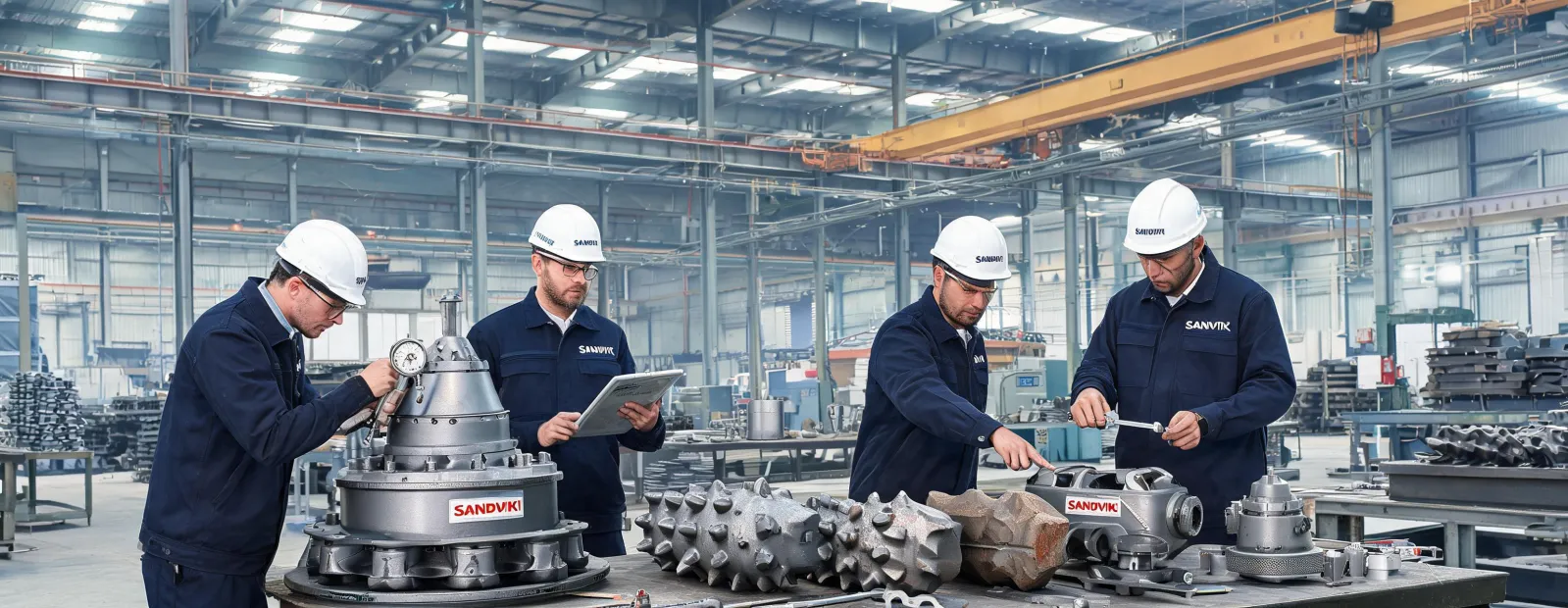
From rock-tool metallurgy to crushing chamber geometry, Sandvik builds its authority on repeatable engineering evidence and field service discipline.
Sandvik is presented here as an engineering-led supplier for quarry, mining and tunnelling teams that need precise machine selection rather than catalog language. The company culture favors measurement: feed size is measured, CSS drift is logged, screen efficiency is calculated, drill-bit wear is inspected and commissioning is signed off against a checklist. That is why the brand voice is technical, restrained and evidence-led.
Early steel knowledge set the basis for wear parts, rock tools and high-stress components used in abrasive sites.
Drilling tools became part of the same production conversation as fragmentation, feed size and crusher chamber performance.
Jaw and cone selection moved toward data-backed plant design with capacity, CSS and liner wear treated as operating variables.
Regional field teams began standardizing commissioning, parts stocking and crusher service practice across major quarry belts.
Controls, chamber level sensing and service data helped operators protect throughput and avoid damage from unstable feed.
Wear history, feed data and operating hours are combined into practical rebuild plans for crushing, screening and mining fleets.
Sandvik does not describe performance as a single brochure number. A crusher that achieves target output in clean limestone may behave differently in wet granite, recycled concrete or mixed mine development rock. The engineering team therefore starts from application conditions and treats every quote as a controlled set of assumptions. Customers see the assumptions in the datasheet, and field teams update them after commissioning.
Capacity is discussed with feed distribution, moisture, chamber profile and recirculating load visible to the buyer.
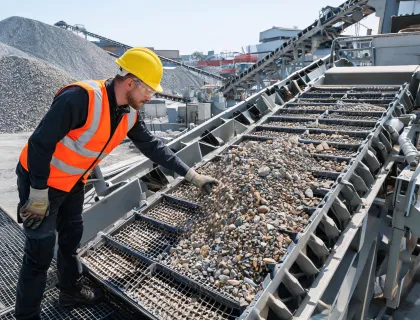
Liners, screen media, drill bits and hydraulic systems are managed through logged intervals and documented inspection points.
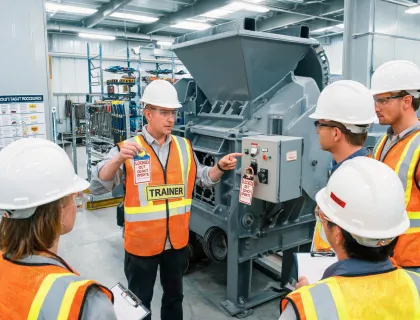
Safe access, lockout logic, guarding and maintainability are treated as production features, not compliance decorations.
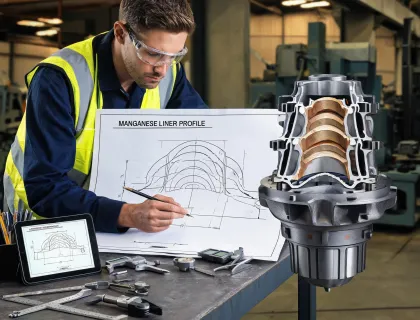
A Sandvik crushing plant or mining equipment package usually involves more than one discipline. Process engineers analyze flow and gradation. Mechanical specialists check chamber stress, bearing loads and maintainability. Field-service leaders convert the design into a commissioning plan. The result is a project record that a quarry manager, reliability engineer or EPC reviewer can actually use.
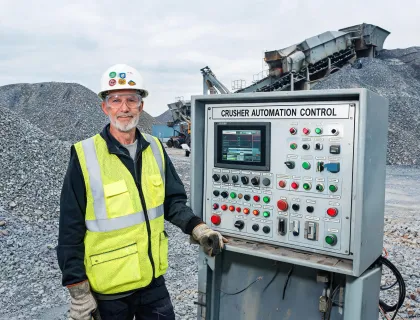
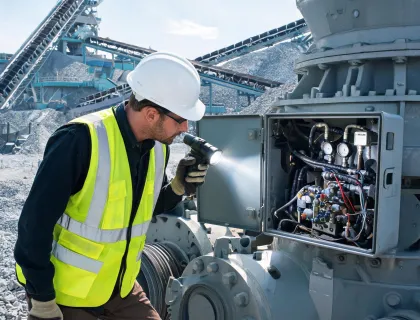
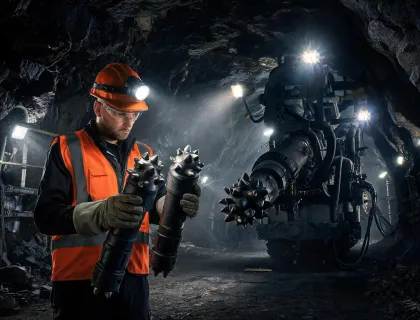
Certification references are kept specific so buyers can separate real documentation from generic claims. Project packs may include ISO 9001 quality records, CE machinery compliance notes, guarding maps, electrical schematics, pressure-test logs and commissioning sheets. Where a site needs local safety documentation, Sandvik coordinates with the customer engineer of record rather than treating standards as marketing text.
Ask for a documented walk-through of feed control, CSS logging, screen media selection and service access before your own plant is specified.
Request an engineering visit